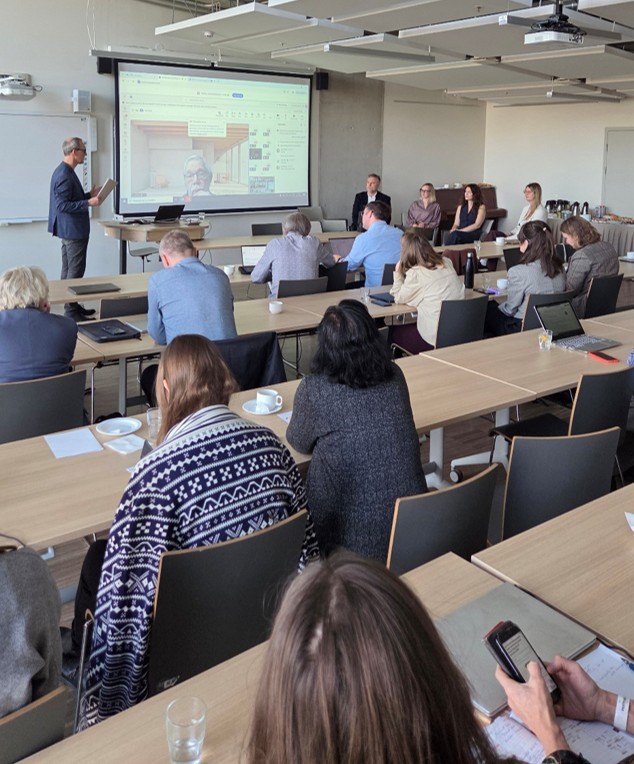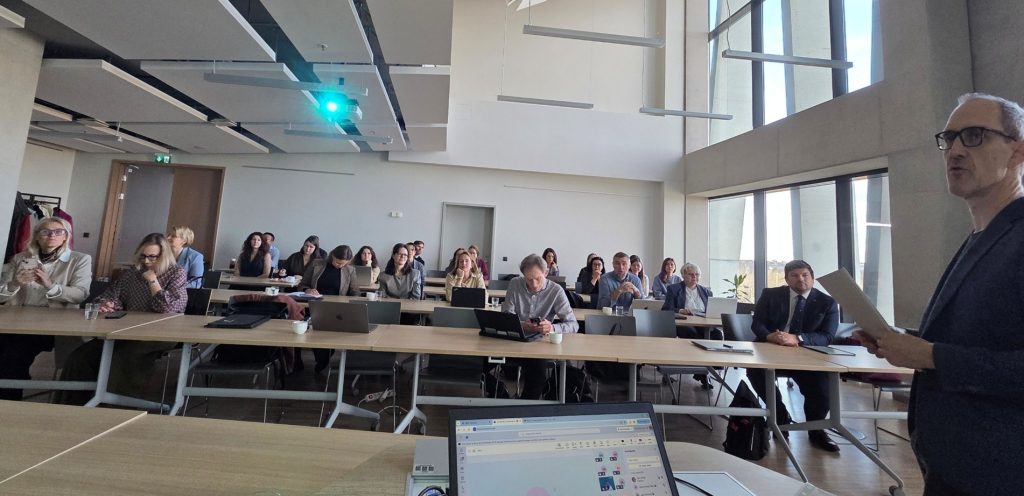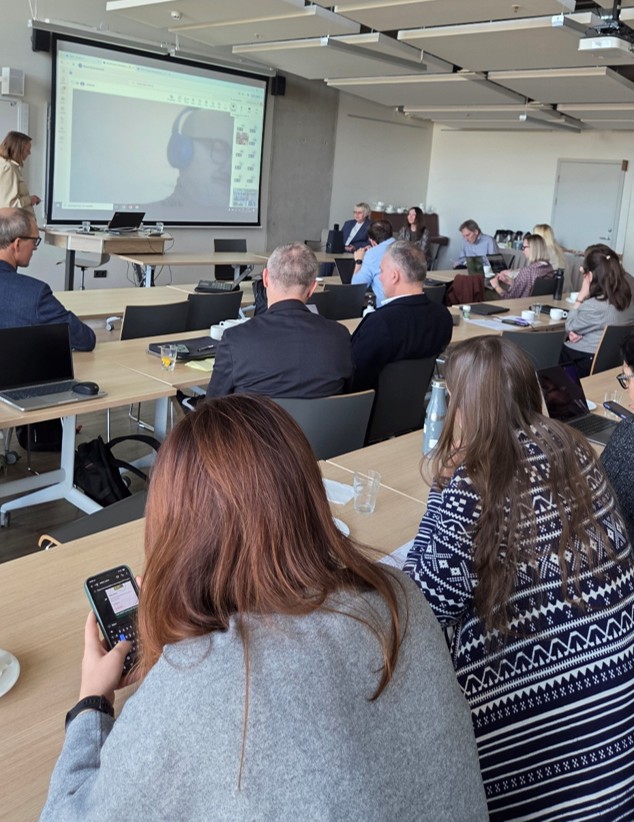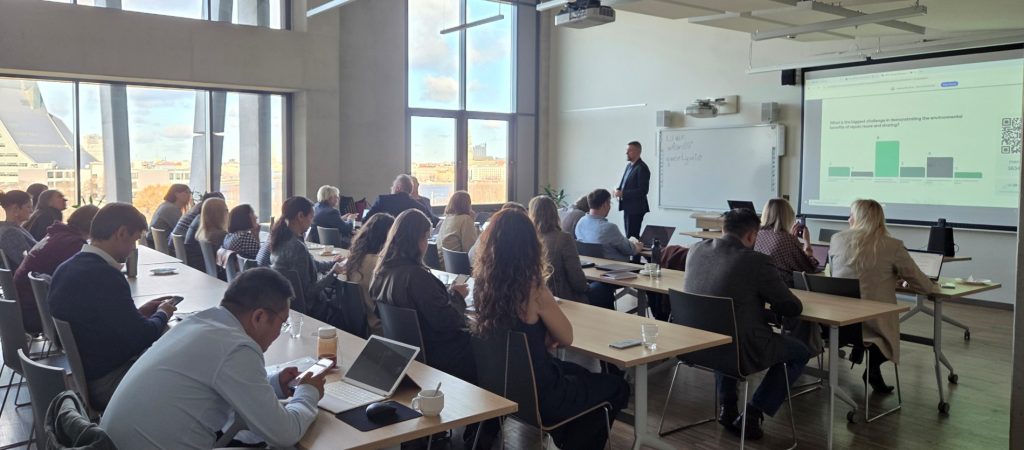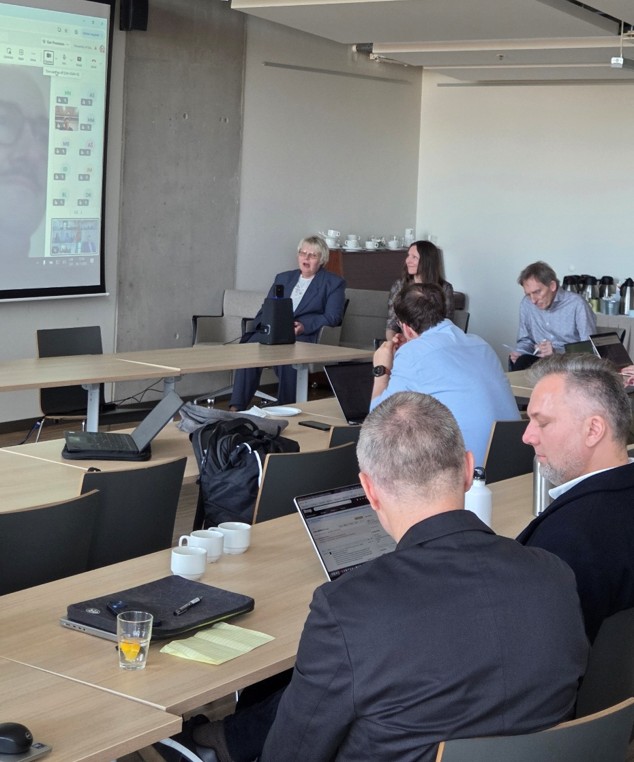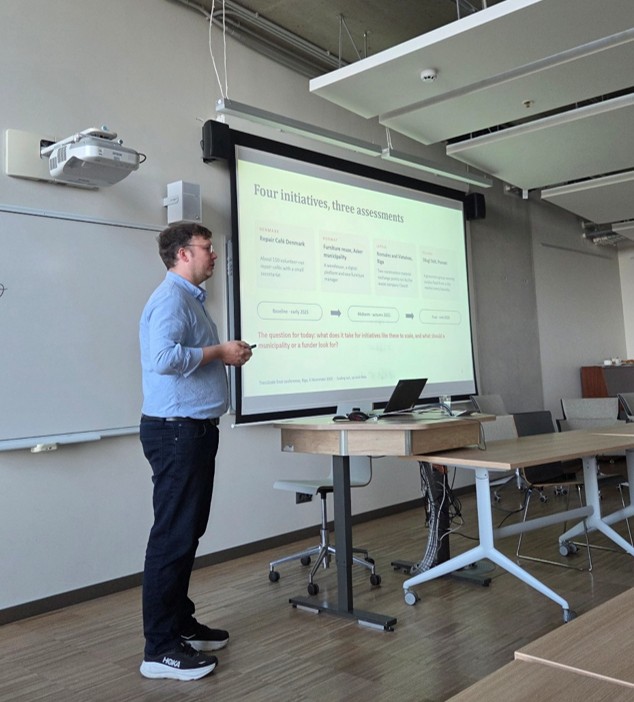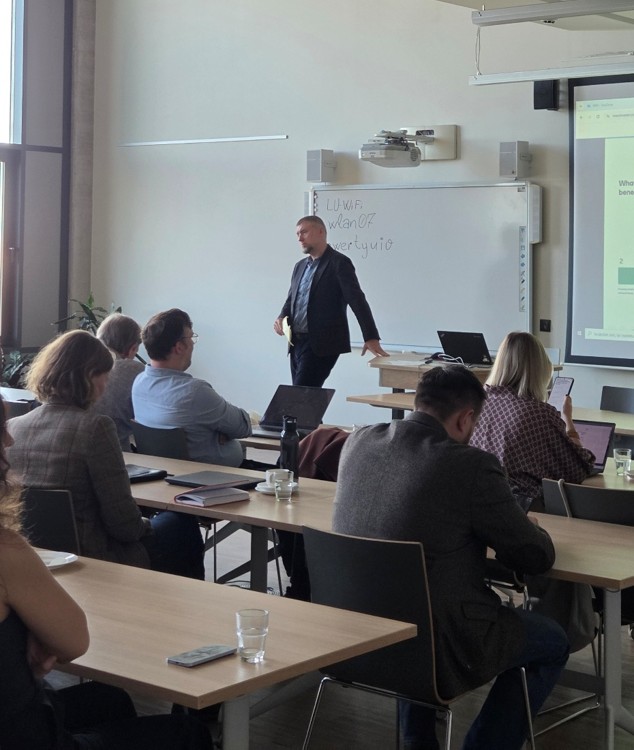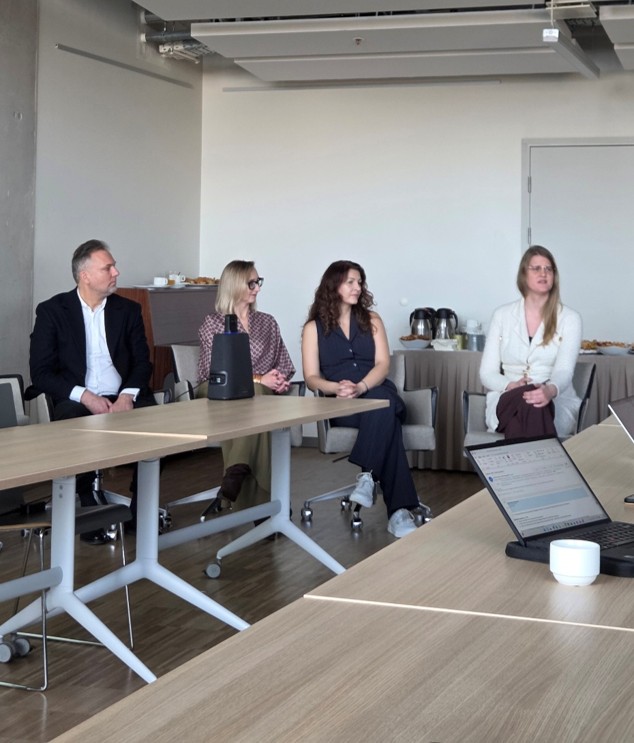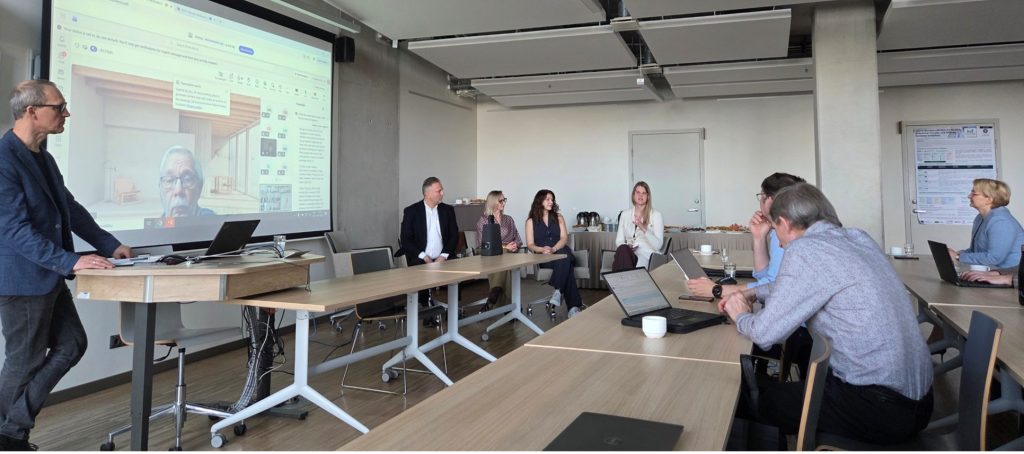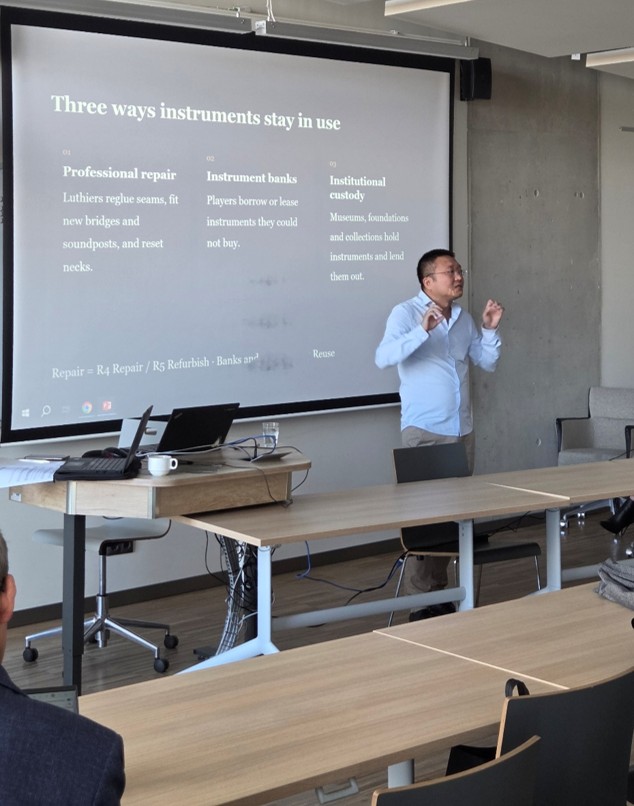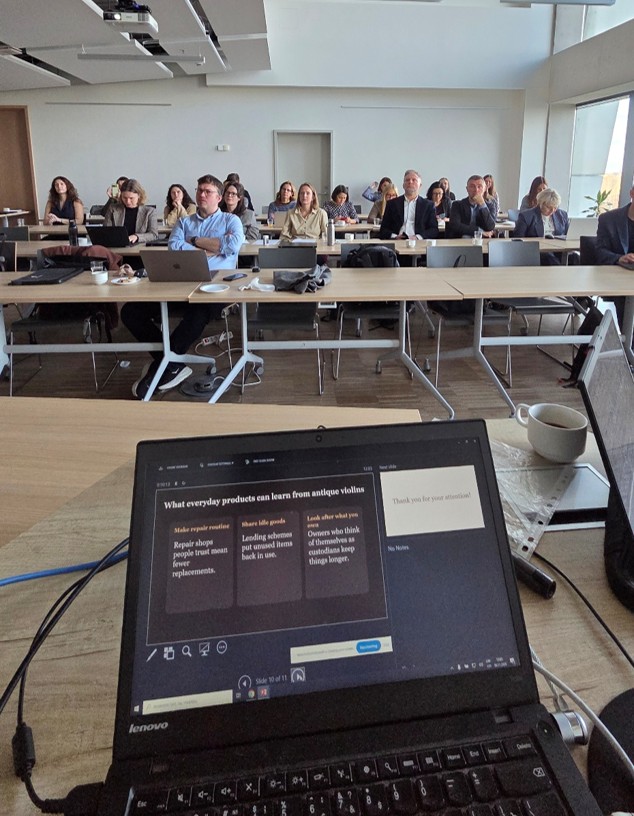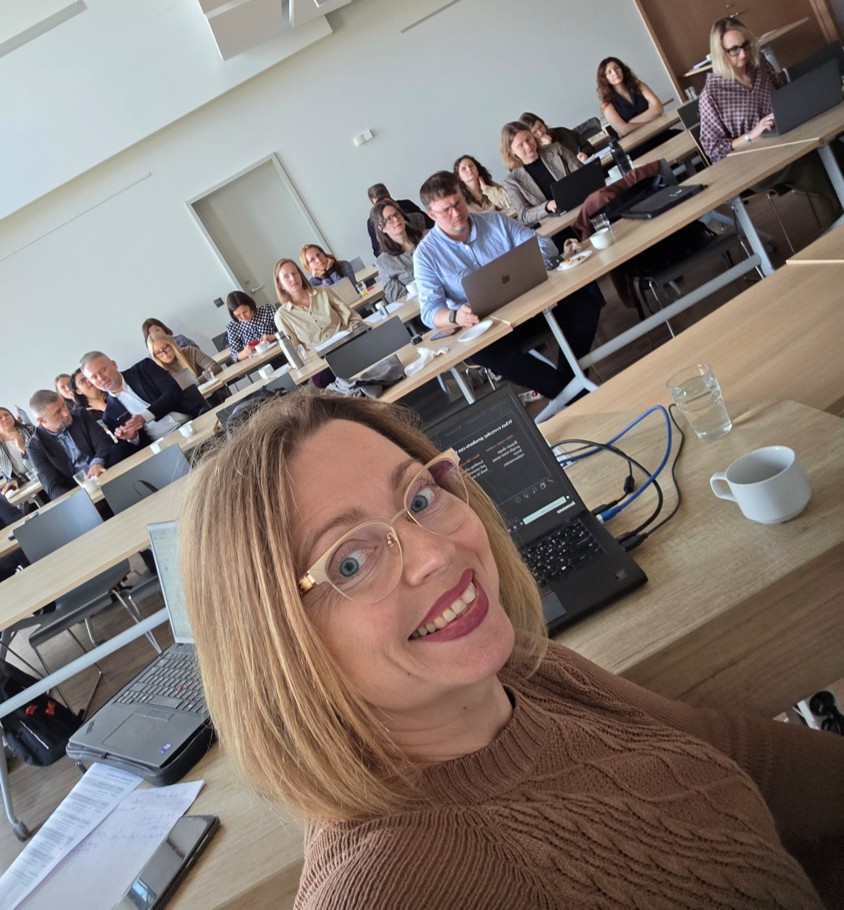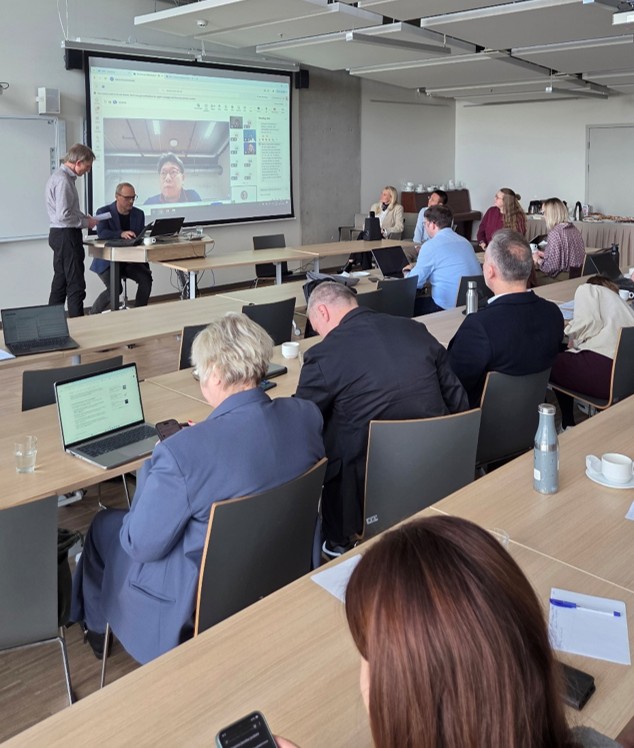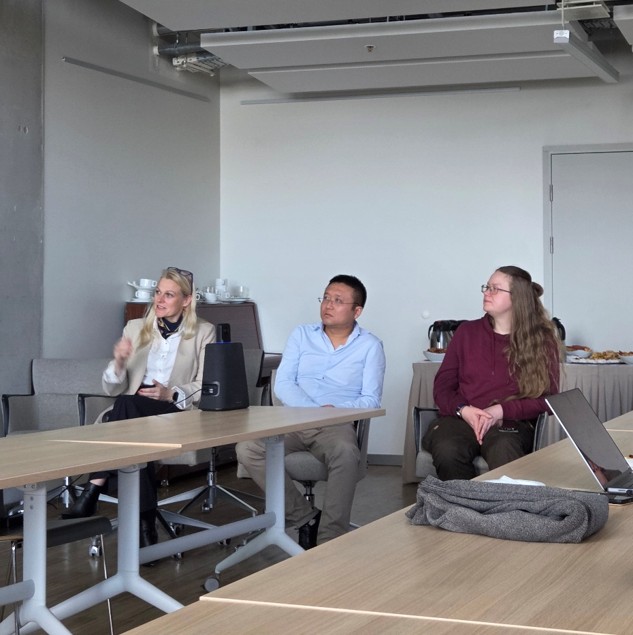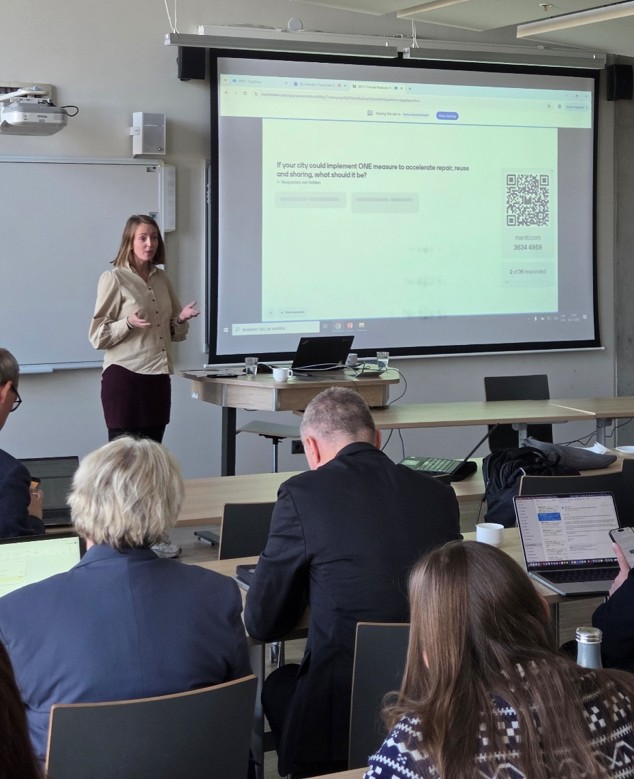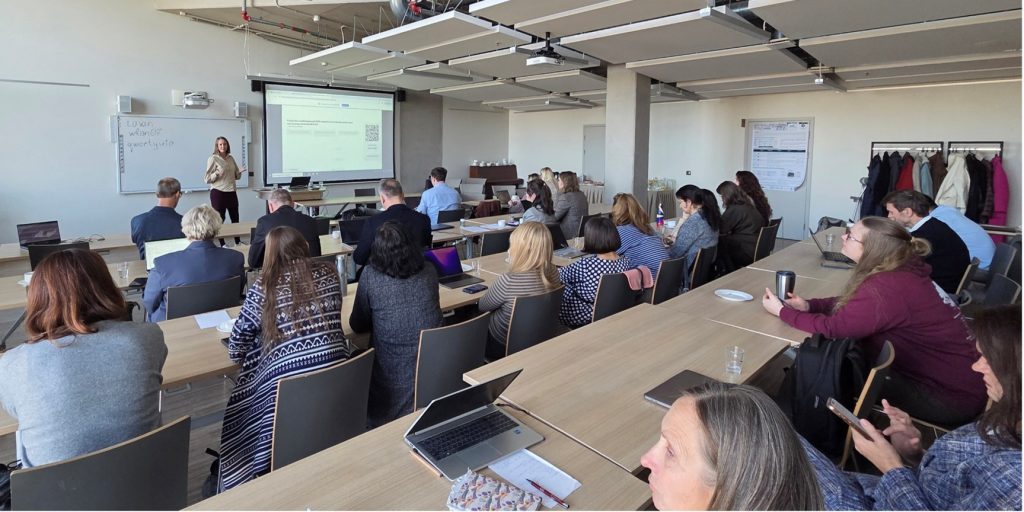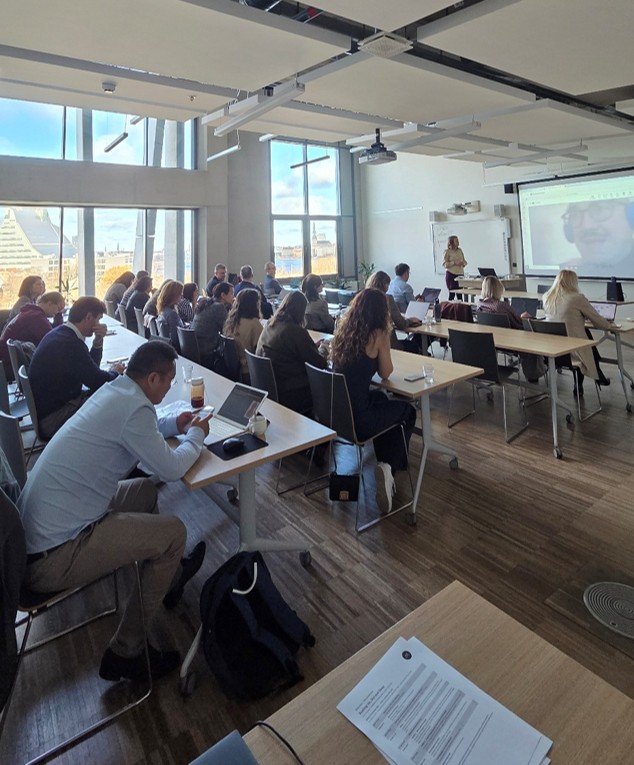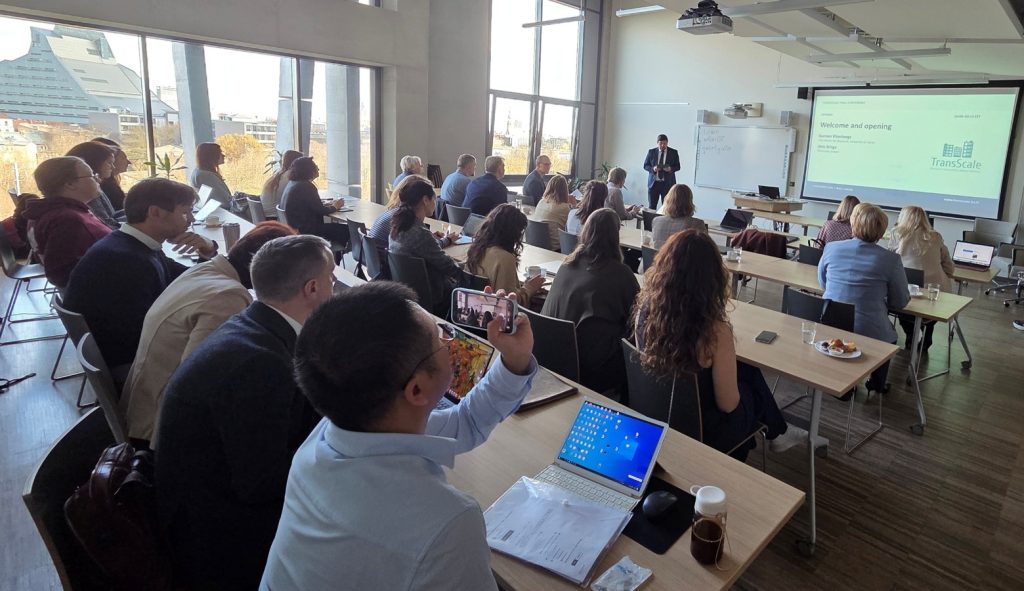
On 6 November 2026, the TransScale final conference, “Scaling Up, Out and Deep: From Circular Initiatives to Mainstream Urban Practices,” took place at the University of Latvia’s House of Nature in Riga, with participation both in person and online.
The conference brought together researchers, municipal representatives, businesses and civil society to explore how repair, reuse and sharing initiatives can reach more people, become embedded in institutions and support lasting changes in everyday practices.
Twenty-seven participants registered in person, while an average of 18 participants followed the conference online.
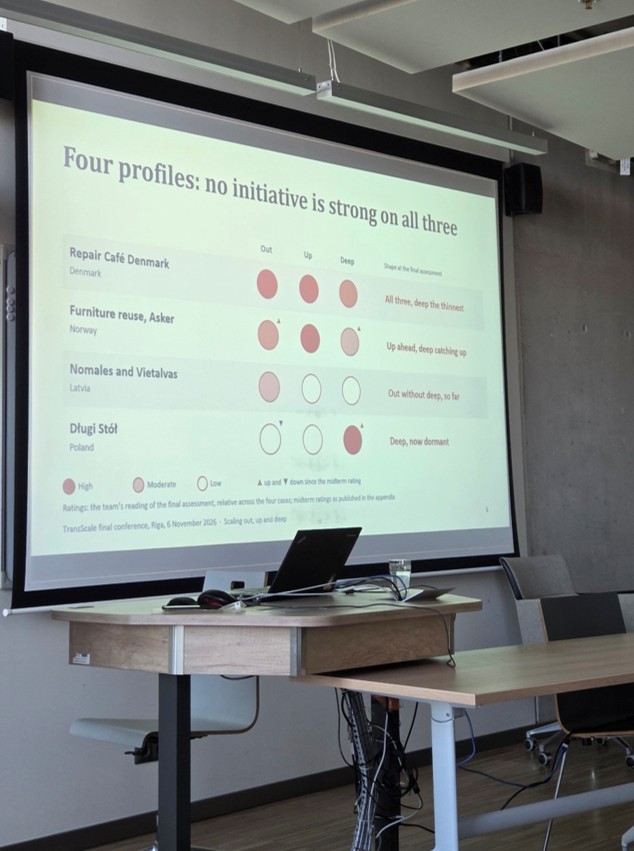
The programme opened with welcoming remarks from Guntars Kitenbergs and Jānis Brizga, followed by Jens Dorland’s presentation of TransScale findings from Denmark, Latvia, Norway and Poland.
Three panel discussions addressed complementary questions: how to move beyond enthusiastic early adopters and engage everyday users, who enables initiatives to scale, and how to assess whether scaling delivers environmental benefits. These themes connected practical experiences with questions about public policy, cooperation, funding and evidence.
From Everyday Barriers to Action
Mentimeter recorded 37 participants and 109 contributions across five interactive questions. In the opening word cloud, time was the most frequently mentioned barrier. When participants ranked what would help make repair, reuse and sharing part of everyday life, convenience and accessibility came first, followed by affordability and financial savings, then information and awareness.
Participants proposed practical measures cities could take, including more affordable repair services, accessible neighbourhood exchange points, subsidised spaces for local initiatives and green public procurement.
In the environmental assessment poll, uncertainty about product lifetimes and avoided production was the most selected challenge, receiving 10 of 24 votes. The result highlights a distinction: counting items repaired or exchanged shows how much activity took place, while estimating the environmental benefit requires knowing how long those items stay in use and whether they replace new purchases.
The concluding discussion, “From Evidence to Action,” asked what must change by 2035 to make circular practices mainstream. Participants suggested investment in infrastructure and skills, financial incentives for repair and reuse, and stronger national support. These ideas reflected the project’s three scaling dimensions: reaching more people and places, embedding circular practices in policies and institutions, and changing everyday habits.
The Mentimeter results reflect the views of conference participants who chose to respond.
Thank you to all speakers, moderators, project partners and participants for sharing their experience and perspectives.
Conference Materials
Download the conference programme, the four presentations and the Mentimeter results (PDF).