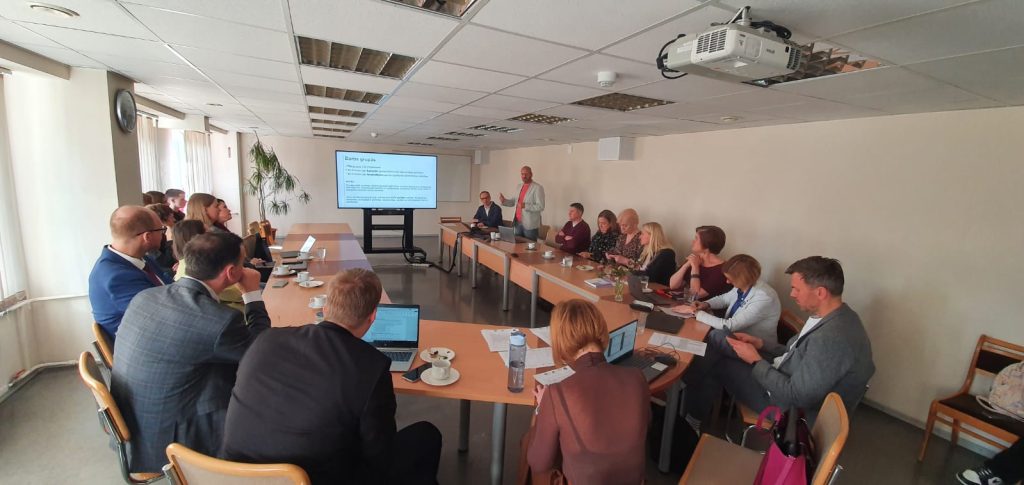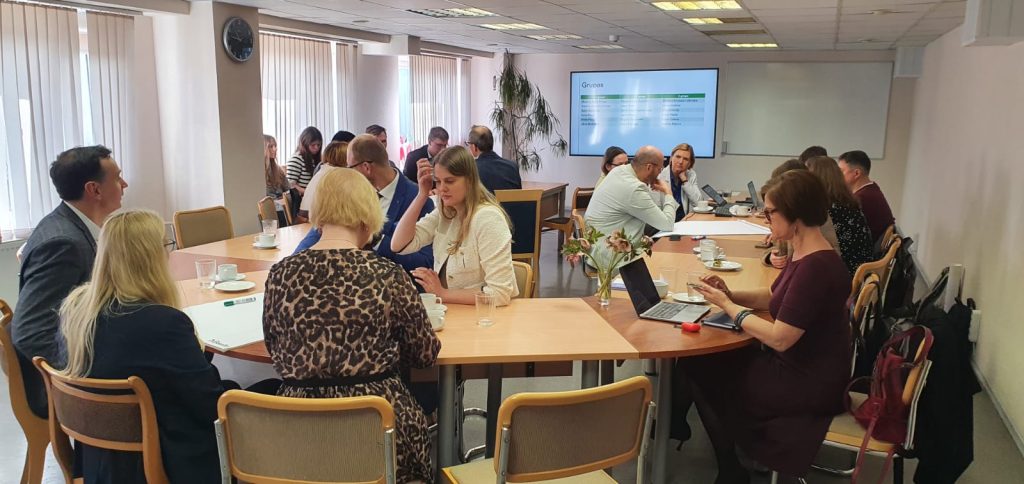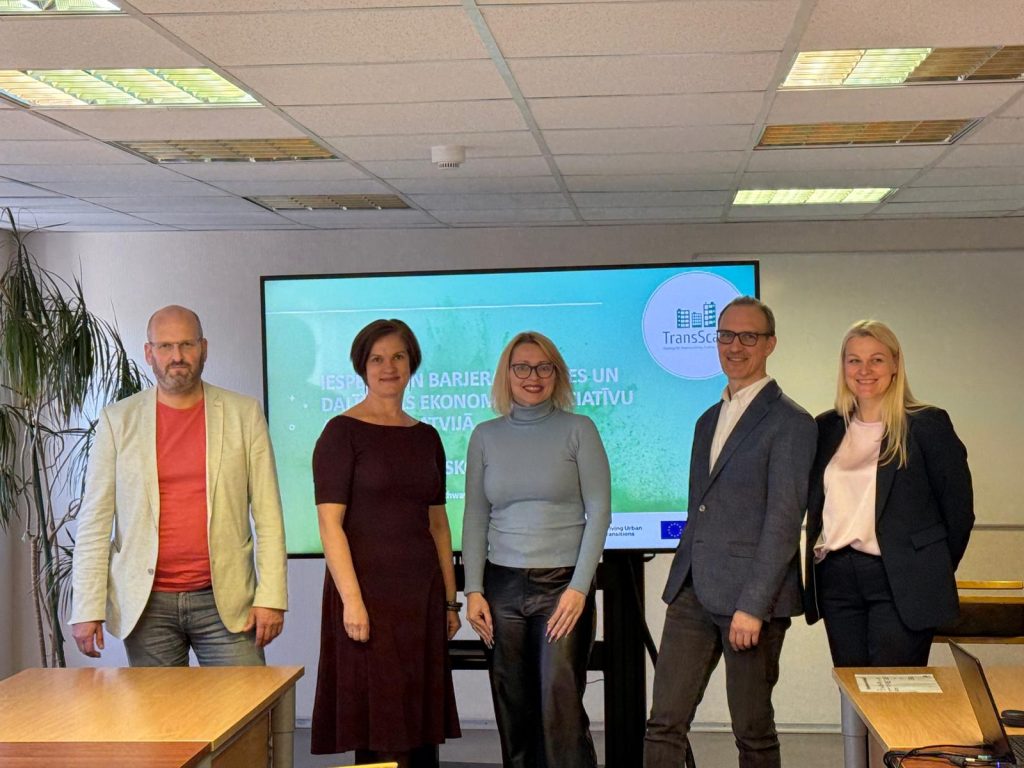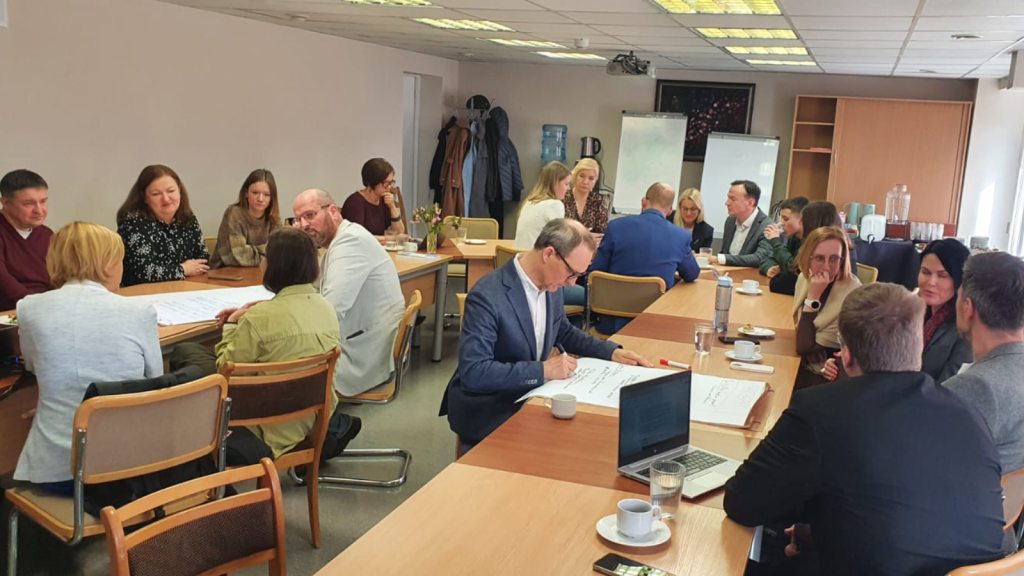
On April 4, 2025, the TransScale project successfully held its workshop on “Opportunities and Barriers in the Development of Circular and Sharing Economy Initiatives” in Riga. The event brought together 20 participants from different areas, including municipalities, academia, environmental management, business leadership, and NGOs, making it a diverse and insightful collaboration.
Workshop Highlights:
The workshop focused on identifying the key barriers and enablers for scaling up and scaling out Circular Economy (CE) and Sharing Economy (CSE) initiatives. Key topics covered included:
- Challenges in developing sustainable CSE business models.
- Regulatory barriers and unclear standards in waste management and resource reuse.
- Social stigmatization and the lack of consumer awareness about the benefits of CSE practices.
- Opportunities for educational integration, particularly in schools and local communities, to raise awareness and shift societal behaviors.
- Stakeholder engagement in local and national policy development, with a focus on creating supportive frameworks for scaling CSE initiatives.
Key Barriers Identified:
- Insufficiently developed and unsustainable business models.
- Lack of access to funding from both the public and private sectors.
- Regulatory and policy challenges, including slow-moving or ambiguous regulations.
- Low societal understanding and involvement in CSE practices.
Key Enablers:
- Tax incentives and financial support for businesses adopting circular practices.
- Enhanced data availability and monitoring systems to guide decision-making.
- Public awareness campaigns and community-driven initiatives such as Repair Cafes and Waste Reduction Projects.
- Educational efforts to integrate sustainability and circular economy principles into school curricula.
Future Actions:
The event concluded with a collaborative discussion on how to continue developing and scaling up these initiatives, ensuring long-term sustainability and resilience for communities and businesses. By focusing on collaborative action and policy innovation, the TransScale project aims to support cross-national learning and provide actionable insights to policymakers across Europe.
The project team will continue to work with local governments, businesses, and NGOs to overcome identified barriers and promote the scaling of circular and sharing economy models to ensure a sustainable urban future.
Stay tuned for further updates and insights from the TransScale project as it continues to explore and promote sustainable urban transformations. Visit our website at TransScale for more information.