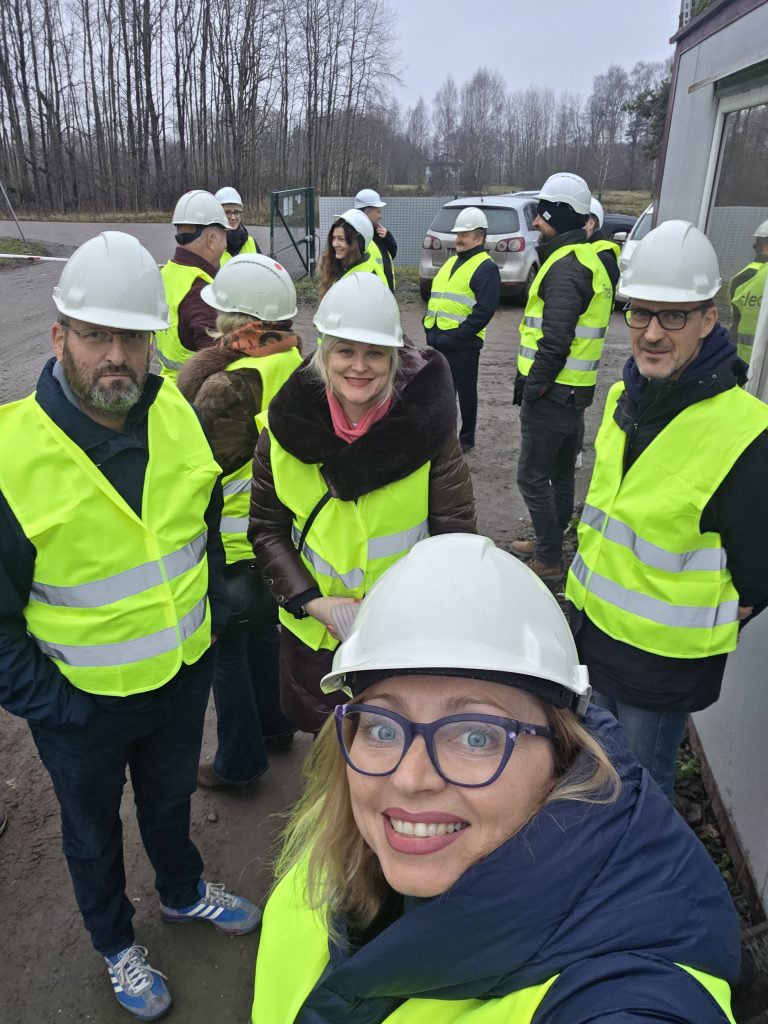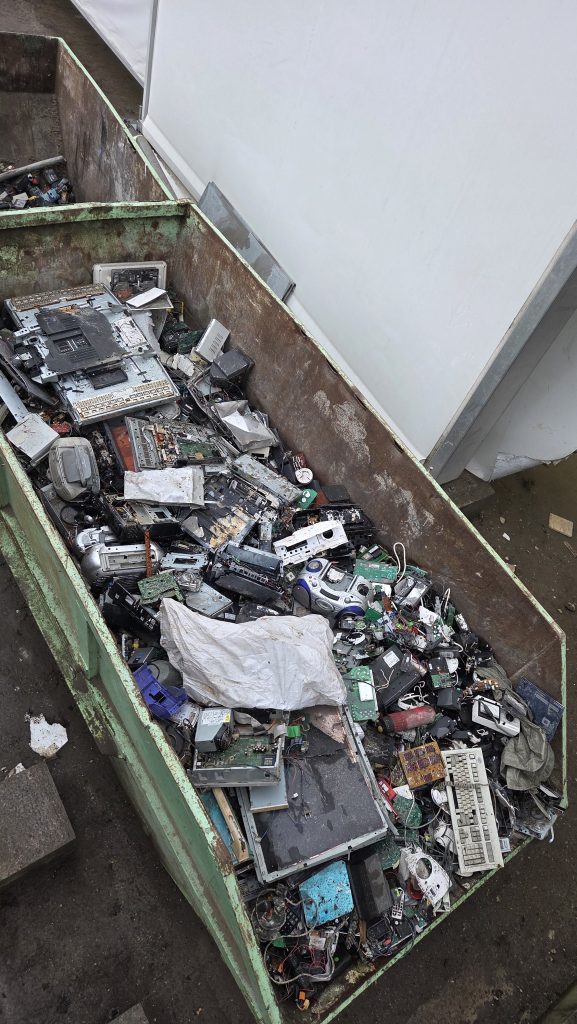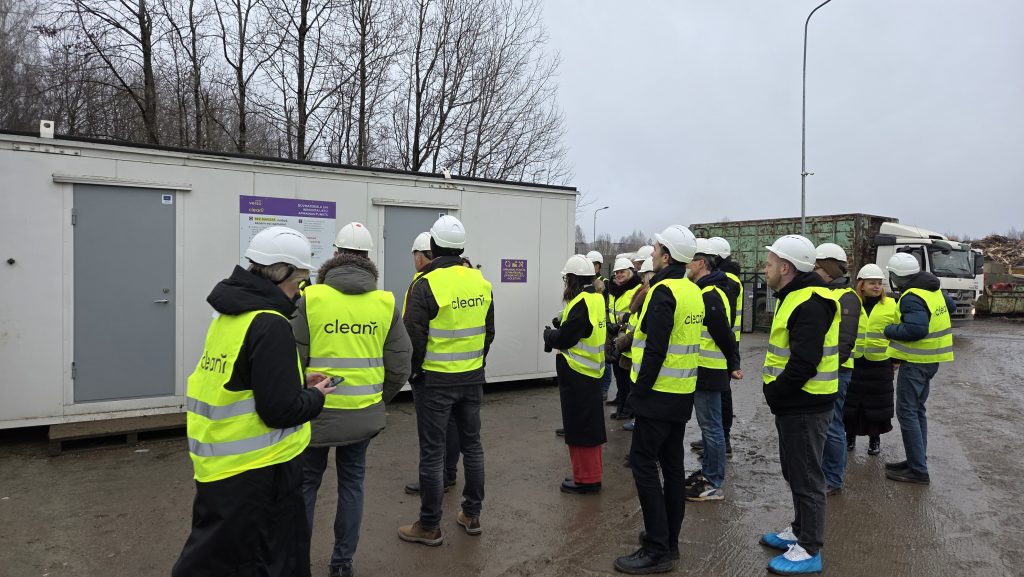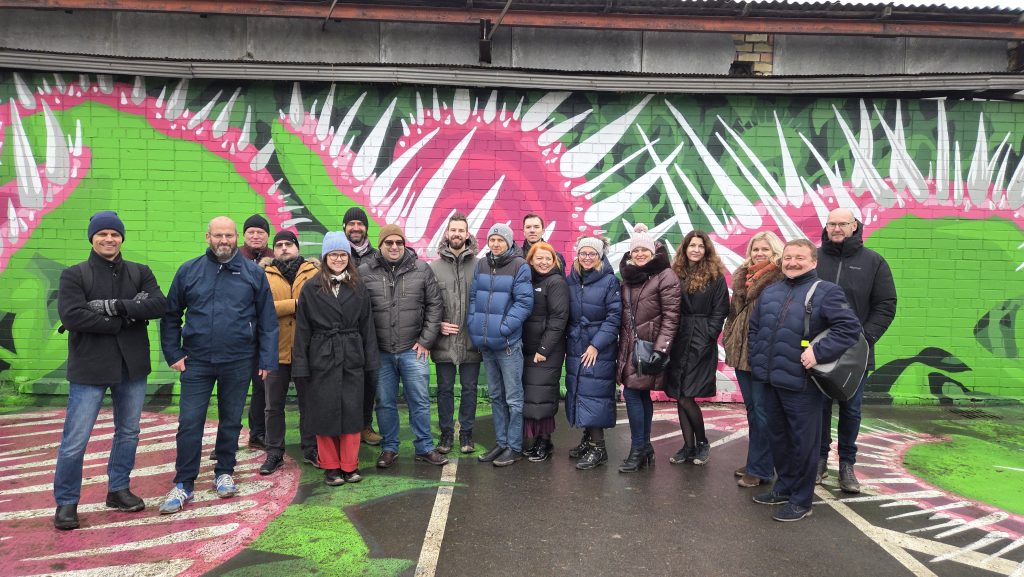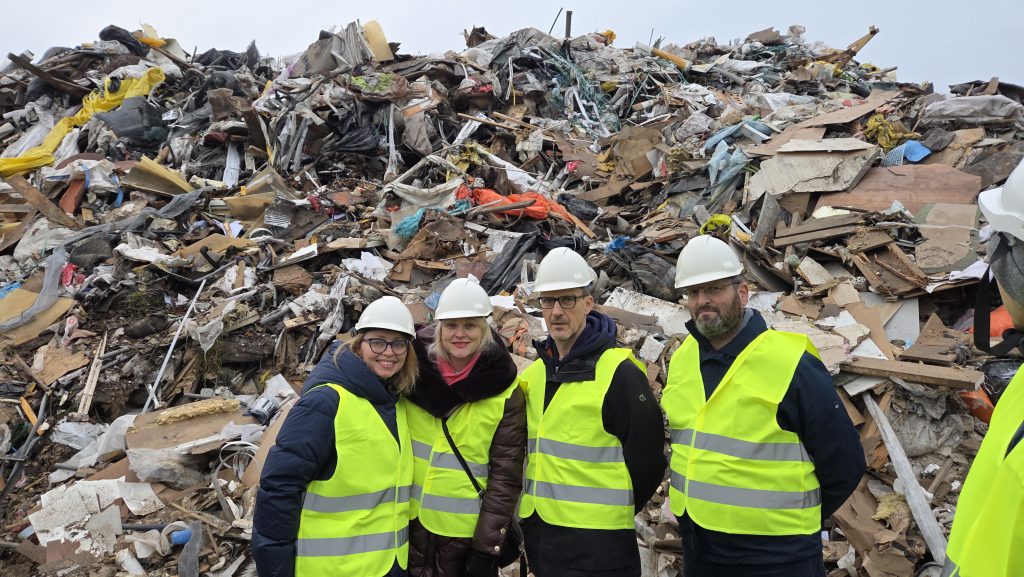
As part of the TransScale project’s research activities, the project team conducted an in-depth interview with CleanR and visited the Nomales material exchange point on 05.12.2025, a pioneering circular economy initiative in Latvia. The interview and site visit provided valuable insights into how circular economy principles are translated into real-world solutions, particularly in the construction and renovation sector.
From waste to resource
The Nomales exchange point, operated by CleanR, was established in autumn 2023 as a non-profit initiative aimed at reducing construction and demolition waste. The concept is simple yet transformative: materials that are no longer needed by one user can be reused by another instead of ending up as waste. The initiative focuses on construction materials, renovation items, and interior products, allowing them to remain in economic circulation for as long as possible.
Within its first year of operation, Nomales facilitated the exchange of nearly ten tonnes of reusable materials, while more than twenty tonnes of construction waste were processed and returned to users in the form of recycled aggregates. This demonstrates both environmental impact and practical demand for reuse-based solutions
.
What makes Nomales unique
Nomales is the first exchange point in Latvia specifically dedicated to construction and renovation materials. Unlike traditional reuse initiatives focused on books or household goods, Nomales addresses a resource-intensive sector with high waste volumes. A key innovation is its digital integration: available materials are listed on the national reuse platform lietovelreiz.lv, enabling users to check availability before visiting the site.
The initiative is supported by CleanR’s operational knowledge of waste streams and was initially enabled through EU LIFE programme funding, highlighting the importance of institutional support during the start-up phase.
Key enablers and barriers
The interview identified several factors influencing the success and scalability of circular economy initiatives:
Enablers
- Clear economic benefits for users, such as cost savings on materials
- Digital tools that improve accessibility and convenience
- Strong institutional cooperation between companies, municipalities, NGOs, and communities
- Visibility of good practice examples, which helps build trust and change perceptions
Barriers
- Limited public awareness and persistent social stigma associated with reuse
- Location and accessibility challenges, particularly for sites outside city centres
- Ongoing operational costs and the lack of long-term funding mechanisms
- Fragmented regulatory frameworks and unclear definitions of “end-of-waste” status
- .
Lessons for scaling circular initiatives
According to CleanR, successful replication of initiatives like Nomales requires:
- Basic infrastructure (indoor space, accessibility, utilities)
- Dedicated staff or coordinators
- Strong municipal involvement, including provision of premises or financial incentives
- Continuous communication and education to support behavioural change
The findings also highlight the broader potential of industrial symbiosis, where waste from one sector becomes a resource for another, and the importance of integrating circular solutions into urban and regional planning.
Contribution to TransScale
The insights from CleanR and Nomales directly inform WP3 (Governance and Policy Analysis) and WP4 (Practitioner Perspectives) of the TransScale project. They provide concrete evidence of how governance frameworks, business models, and stakeholder collaboration can enable circular economy solutions in urban contexts.